Dry Cleaning Price List 2026: Complete Singapore Guide
This is some text inside of a div block.


Wash-and-fold services in Singapore typically sit in the low-SG$ single digits per kilogram, while dry cleaning is priced per piece and rises sharply with fabric complexity and specialty handling requirements. If your receipt looks higher than you expected, the extra usually comes from stain treatment, delicate-fabric handling, express turnaround, or delivery rules, not from the headline rate alone.
That's the trap busy professionals fall into. You drop off a few work shirts, a suit, maybe a dress, and the quote looks clean enough until the final bill adds manual spot work, rush processing, or a separate logistics charge. A good dry cleaning price list should make those add-ons obvious before you hand over the clothes, because vague pricing only helps the cleaner, not the customer.
A Singapore executive drops off two suits before a client meeting, expects a straightforward bill, then gets asked whether one jacket needs stain treatment and whether the turnaround has to be express. That's where the confusion starts. The headline looks simple, but the final total reflects how much hands-on work each garment needs.
The structure of the invoice matters more than the sticker price. Dry cleaning isn't one uniform job, it's a mix of inspection, cleaning method selection, pressing, finishing, and risk control. If a cleaner has to treat a coffee mark on wool, handle a silk lining carefully, or re-press a structured blazer, the labour changes immediately, and so should the price.
This is why transparent providers separate item price from service extras. Singapore's official services inflation framework tracks Laundry and Dry Cleaning Services as a category, which is the right reference point for understanding why prices move over time, even if a public Singapore price list is limited. A cleaner's own rates should still follow the same logic, labour, utilities, chemicals, and logistics all sit behind the bill, not just the garment name. For a practical view of the workflow behind those charges, see Tumble Laundry's dry cleaning process.
Practical rule: if a cleaner cannot explain why one garment costs more than another, the price list is too vague to trust.
The customer mistake is assuming a low headline rate means a low final invoice. It usually doesn't. Ask what's included, what counts as special handling, and whether delivery, stain removal, or urgent processing is billed separately. That one habit saves more money than trying to chase the cheapest garment rate.

The cleanest way to read a Singapore laundry menu is to separate weight-based service from piece-based service. Weight-based pricing works for everyday garments and towels, while piece-based pricing fits suits, dresses, coats, and delicate items that need individual inspection and finishing. If you blur the two, you'll misread the quote and overpay for convenience you didn't need.
Weight-based pricing is the simpler model. In Singapore, wash-and-fold commonly sits in the low-SG$ single digits per kilogram, and Tumble's pay-as-you-go wash-and-fold is priced at SG$7.00/kg for garments and towels, with a SG$50 minimum order (Tumble Laundry pricing). That model suits ordinary weekly laundry because the cleaner is processing a mixed load, not assigning a separate handling workflow to each item.
Piece-based pricing is different. Dry cleaning is normally billed per garment because each item needs its own inspection, fabric check, pressing, and sometimes rework. That's why a suit, a blouse, and a coat shouldn't share one flat rate. The cost reflects labour intensity and risk, not just the fabric in your hand.
For a simple budgeting comparison, use this rule. A 5kg everyday load usually belongs in weight-based wash-and-fold, while a 3-piece formal wear order belongs in itemised dry cleaning. If you send the 5kg load into a per-piece model, you'll pay for structure you don't need. If you force formal wear into a bag rate, you'll miss the fact that the cleaner is spending more time on each item.
Bottom line: use weight-based service for repeat household laundry, use piece-based pricing for garments that need careful finishing and individual treatment.
If you want recurring convenience, review Tumble's subscription plan. If you only need occasional garment care, piece-based billing is the cleaner fit.
A proper dry cleaning price list should read like a SKU matrix, not a vague promise. The cleaner should separate garment class, fabric sensitivity, and extra work, because those are the cost drivers. That's the only way to compare quotes fairly across providers.
Garment CategoryExamplesPrice Range (SGD)Service InclusionsBusiness shirts and blousesOffice shirts, cotton blouses, light workwearLow per-piece dry-clean or laundered tierInspection, cleaning, pressing, protective packagingFormal wearSuits, dress pants, formal dressesMid to higher per-piece tierFabric check, cleaning, pressing, hanger returnTraditional attireCheongsam, baju kurung, ceremony wearHigher per-piece tierCare-label handling, manual inspection, finishingOuterwearJackets, blazers, coatsHigher per-piece tierShape-preserving cleaning, pressing, sleeve and collar finishingDelicate fabricsSilk, lace, embellished itemsPremium per-piece tierSpecial handling, gentle process selection, careful finishingHousehold textilesCurtains, bedding, table linensItemised or service-based pricingCleaning, pressing where relevant, packaging
For business wear, the key question is whether the item is being laundered or dry cleaned. Shirts that can go through a water-based process should stay in the lower tier, while lined or structured garments should move to dry cleaning. That distinction matters because the cleaner's labour changes fast once shaping and pressing become part of the job.
Formal and traditional garments belong in their own category. A suit jacket, a cheongsam, or a baju kurung can't be treated like a standard shirt, especially when the garment has lining, embroidery, or shape-sensitive construction. The cleaner needs to inspect the piece before committing to the method, which is why a transparent price list should never hide those items under a generic “dress” or “top” line.
Household textiles deserve the same logic. Curtains are not a normal laundry item, and bedding takes more machine space, more drying time, and more finishing effort. Tumble's dry-cleaning offer page reflects this itemised approach, which is the right model for Singapore customers who want to know what they're paying for before the order goes out.
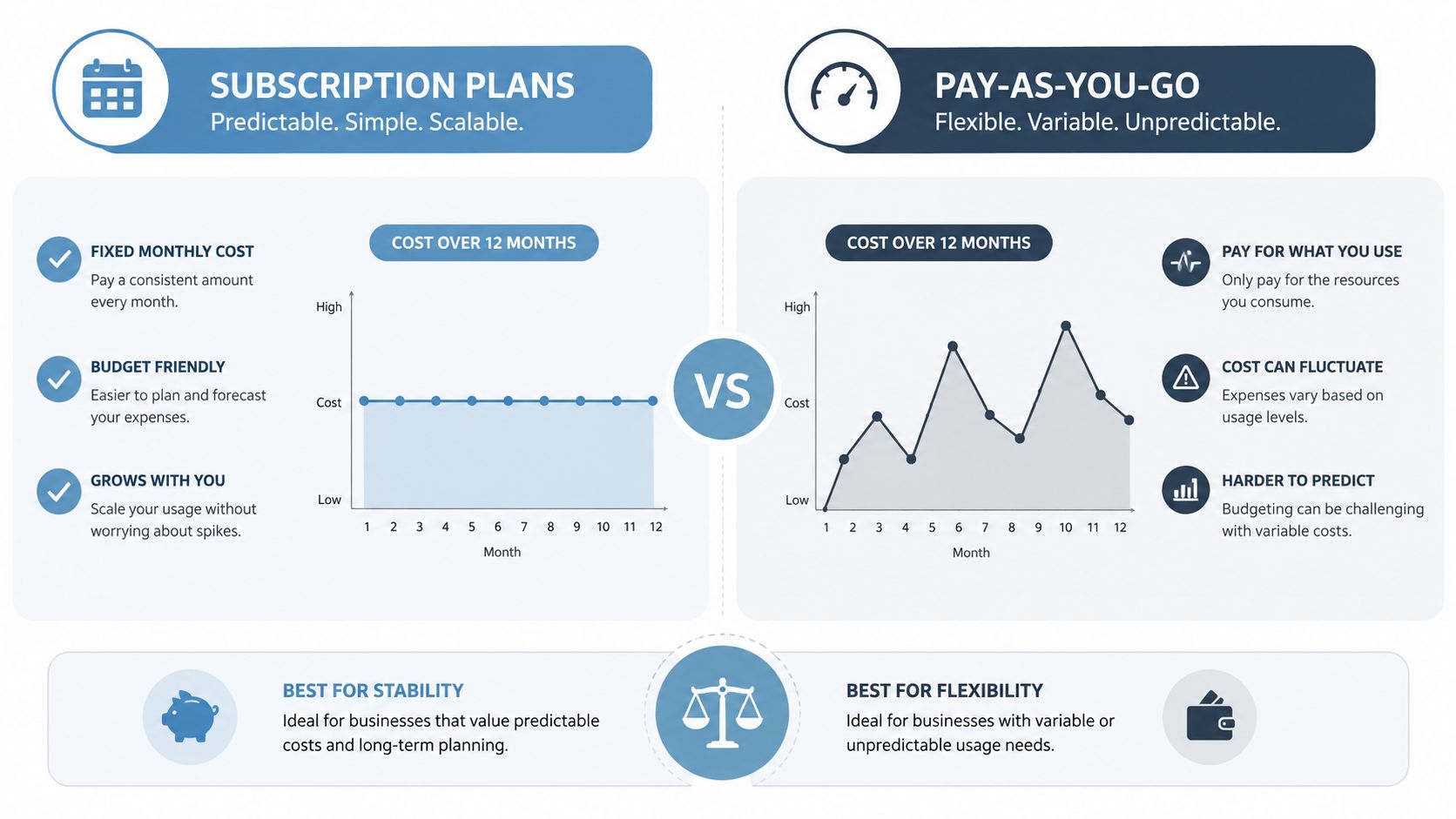
Subscription works when your laundry volume is steady. Pay-as-you-go works when your volume swings from light to heavy, or when you only send items out occasionally. The wrong choice usually comes from focusing on one bag price and ignoring how often you use the service.
Tumble's subscription plans are bag-based, with Standard and X-Large bags priced as low as SG$45 per bag and SG$62.50 per bag, both with free collection and delivery (Tumble Laundry subscription). That structure gives you predictable billing, which is useful if your household generates a similar amount of laundry every week. The bag model also avoids constant item counting, which is why many busy homes prefer it.
Pay-as-you-go is cleaner for occasional use. Tumble's wash-and-fold is priced at SG$7.00/kg with a SG$50 minimum order (Tumble Laundry pricing). If your load is small or irregular, you keep control over spend and don't pay for unused capacity. That matters more than people admit, especially when you're only sending out laundry after travel, guests, or a busy work period.
For a two-person apartment that produces about 8kg weekly, the subscription model usually feels easier because the laundry volume is recurring and predictable. For a family of four producing 15kg weekly, the subscription case gets stronger because the load is larger and more consistent. I'm not turning that into a fake break-even formula, because the actual monthly choice depends on how full the bag gets, but the rule is simple, steady volume favours subscription, irregular volume favours pay-as-you-go.
Before you compare any laundry plan, read compare chatbot costs for a useful pricing analogy, the same trap shows up there too, where a simple headline hides a very different monthly spend once usage changes.
Subscription is about predictability. Pay-as-you-go is about control. Pick the model that matches how your household actually behaves, not the one that sounds cheaper at first glance.
The fastest way to misread a dry cleaning price list is to ignore surcharges. The base garment rate is only the starting point. The final bill rises when the cleaner has to do manual work, handle fragile fabric, rush the order, or repair something before returning it.
A plain shirt that looks fine on the hanger can become a labour-heavy item the moment the cleaner spots grease, wine, ink, or makeup. Spot treatment takes time because the stain has to be identified, tested, and handled without damaging the fabric. If you know a garment is marked up, declare it upfront, because hiding the problem only delays the bill.
Silk, lace, embellished items, and structured garments often need a different process from everyday clothing. That can mean gentler cleaning methods, more inspection, or extra finishing time. The cleaner is charging for risk management as much as cleaning, and that's fair if the process is explained clearly.
Urgent orders cost more because they disrupt the normal queue. Same-day or rushed processing usually means the cleaner reshuffles labour and machine time to fit your deadline. If you see an express option, treat it as a premium convenience fee, not a default service.
If a provider bundles every surcharge into one inflated headline price, you can't tell what you're paying for. Itemised pricing is easier to trust, even when the final total is higher.
Tumble's service structure makes this clearer by separating standard cleaning, express handling, and curtain-related work, including takedown support from SG$100 (Tumble Laundry pricing). That's the right way to sell premium handling, because the customer can see what changed. It also keeps repairs and alterations visible instead of burying them inside an oversized base rate.
Speed matters because it changes both price and convenience. If your suit needs to be ready by Friday, you'll pay differently than someone planning laundry for next week. The best service is the one that matches your calendar without forcing panic booking.
Tumble's standard Clean & Iron and curtain care turnaround is 5 working days, while subscription Load Wash & Fold has a 2-day turnaround (Tumble Laundry schedule). Same-day collection windows are available for Monday through Saturday scheduling, which helps if you need a pickup slot that fits around office hours. Use that flexibility properly, because a missed window means another delay you didn't budget for.
The operating hours also matter. Tumble operates Monday to Friday 8:30 to 17:30 and Saturday 8:30 to 12:30, and it's closed on Sundays and Public Holidays (Tumble Laundry schedule). That affects when you can book, reschedule, or hand over garments. If you leave bookings to the last minute, you'll usually end up paying for the faster lane or waiting longer than you wanted.
The smart move is simple. Use standard turnaround for routine laundry and dry cleaning, then reserve express handling for genuine deadlines like presentations, interviews, ceremonies, or travel. If the garment isn't time-sensitive, don't pay for urgency just because you forgot to plan ahead.
Pickup and delivery seems convenient until you examine the underlying rules. The core expense lies in minimum order thresholds, service coverage, and whether the cleaner includes logistics in the price or charges separately. That's where many Singapore customers lose clarity.
Tumble's pay-as-you-go wash-and-fold has a SG$50 minimum order (Tumble Laundry pricing). Subscription plans include free collection and delivery, which removes the delivery fee question entirely for regular users. That difference matters if you're sending out small loads, because a minimum order can be more important than the per-item rate.
The smart booking habit is to group garments intelligently. If you've got shirts, towels, and one or two dry-clean items, separate them only if the service rules require it. If the provider tracks by-piece orders carefully, that gives you better visibility on what came back and what was processed under which tier. Tumble's itemised tracking for by-piece orders is exactly the kind of system that prevents disputes later.
If you're not home during the pickup window, don't assume the cleaner can wait around. Fix the delivery details before booking, because missed handovers create delay and sometimes force a second trip. A cleaner with physical store access gives you another option, which is useful for customers who prefer drop-off over waiting at home.
The right service tier depends on what you wear, how often you wear it, and how much hassle you're willing to tolerate. Don't buy a subscription just because it sounds neat. Don't use per-piece dry cleaning for loads that belong in a bag.
Busy professionals should focus on recurring shirt, trouser, and suit care. If your weekly wardrobe is predictable, a subscription or regular wash-and-fold plan makes sense for everyday laundry, while piece-based dry cleaning should stay reserved for formal items and delicate workwear. The value comes from reducing decision fatigue, not from chasing the lowest one-off charge.
Families usually need volume control. If the laundry basket fills up quickly, bag-based pricing can be easier to budget around because the service is built for repeat loads and delivery convenience. For homes with occasional formal wear, keep special garments in the itemised dry-clean lane and leave the rest in the weight or bag model.
Occasional users should stay pay-as-you-go. If you only send out clothes after events, travel, or seasonal changes, a recurring plan often wastes money. Use itemised dry cleaning for the pieces that need it, and skip subscriptions unless your weekly load becomes consistent.
Businesses and organisations need consistency more than novelty. Commercial laundry works best when the provider can process recurring items on schedule, track them properly, and keep handling rules stable. For curtains and handovers, use a provider that treats takedown and rehang as a separate service, not an afterthought.
The practical test is straightforward. Choose the service tier that matches your most common laundry pattern, then add premium handling only where the garment needs it. That's how you keep your monthly spend under control without downgrading garment care.
A customer with a mixed-fabric blouse often asks whether the whole item gets charged at the higher rate. In practice, a cleaner should inspect the garment as a whole and price it according to the safest method needed, because one weak panel can change the cleaning process. If the provider can't explain the method, ask before booking.
Another common question is whether GST is already included. In Singapore, consumer service prices often include GST in the final amount, but the cleaner should state that clearly on the quote or invoice so there's no argument at checkout. If the price list doesn't say, assume nothing and ask directly.
People also want to know what happens if a garment is damaged. A serious cleaner should have a clear handling policy for inspection, complaint, and compensation, especially for delicate or expensive items. That policy should be visible before you hand over the clothes, not after there's a problem.
The last one is about mixing subscription and per-piece orders. You can do both if the provider offers both models, and that's often the most practical setup for Singapore households. Use subscription for routine laundry, then send special garments through the itemised dry-clean line when they need individual care.
If you're ready to stop guessing at laundry bills, book with Tumble Laundry for itemised dry cleaning, wash-and-fold, curtain care, and islandwide pickup and delivery. Their pricing structure makes the difference between routine laundry and specialty garment care much easier to see, so you can choose the right tier before the bill surprises you.

We make laundry days fast and easy for you. We collect, clean and deliver your laundry and dry-cleaning.
53 Ubi Ave 1 #03-43, Singapore 408934
Mon - Fri | 8:30 am–5:30 pm
Sat | 8:30 am–12:30 pm
hello@tumble.sg
+65 62554222
Whatsapp Us


