Why Clothes Feel Stiff After Washing (and How to Fix It)
This is some text inside of a div block.

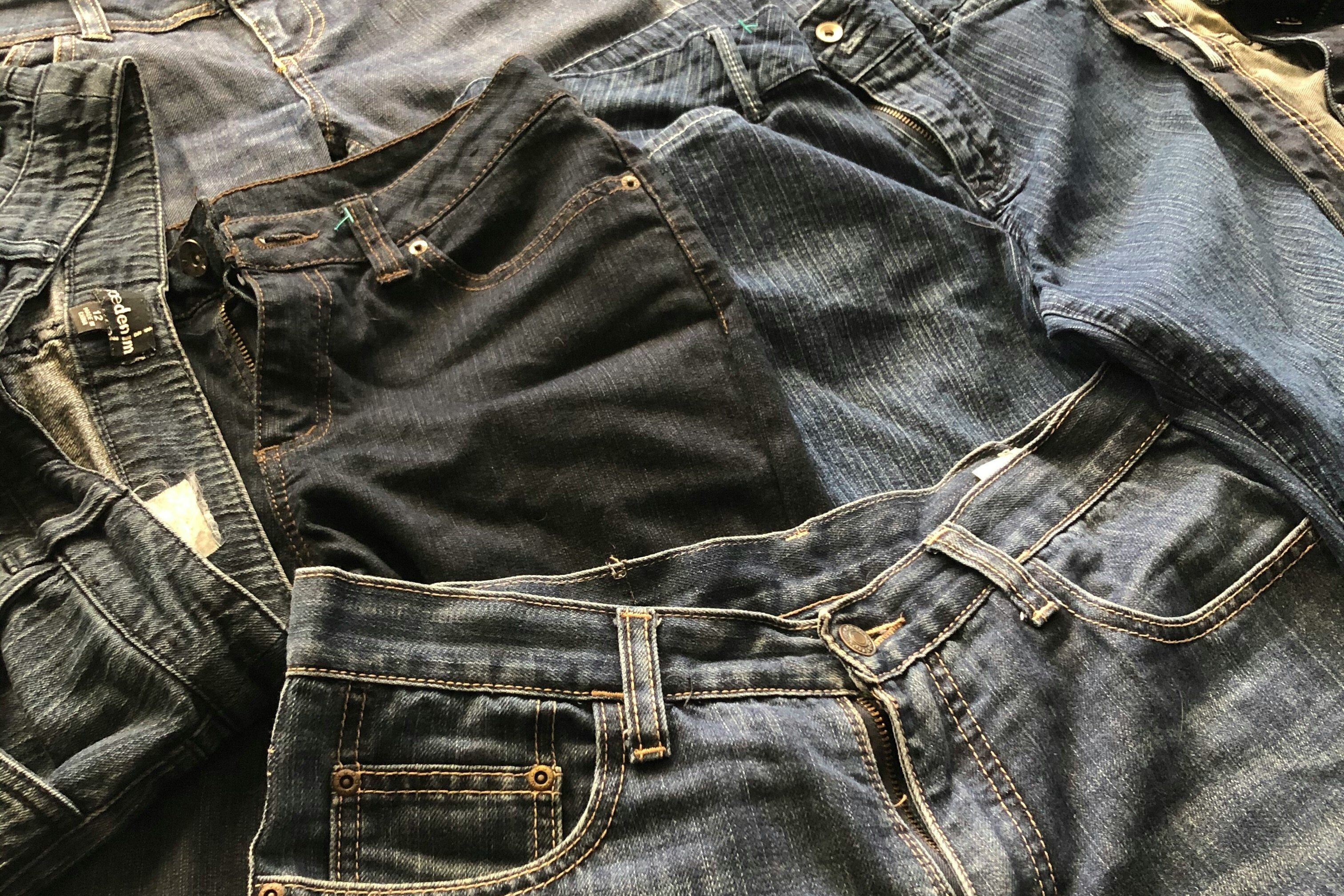
Have you ever pulled freshly washed clothes out of the machine, only to find them stiff, rough, or uncomfortable to wear? Instead of feeling soft and cozy, the fabric feels scratchy, heavy, or oddly rigid, even though it’s technically clean.
This is a surprisingly common laundry problem caused by several factors. In this article, we’ll explain why clothes feel stiff after washing and walk through simple, practical ways to restore their softness.
And when laundry starts feeling like trial and error, a professional laundry service like Tumble Laundry can help take the guesswork out of the process.
One of the most common reasons clothes feel stiff is surprisingly simple: too much detergent. When detergent isn’t fully rinsed out, it leaves a thin residue on fabric fibres. Over time, this buildup makes clothes feel crunchy, heavy, or coated instead of soft.
How to fix it:
Use the recommended amount of detergent based on load size and soil level. If clothes already feel stiff, running an extra rinse cycle can help wash away leftover residue.
Read also: How Much Detergent Should You Actually Use?
Water quality plays a bigger role in laundry than many people realise. In areas with hard water, minerals like calcium and magnesium bind with detergent and cling to fabric fibres.
This mineral buildup causes clothes to feel stiff, dull, and less flexible over time. Towels are often the first to show signs, losing their softness and absorbency after repeated washes.
How to fix it:
Adding a small amount of white vinegar during the rinse cycle can help dissolve mineral buildup naturally. It won’t leave a vinegar smell, but it can noticeably soften fabrics.
Washing clothes too frequently can break down fibres faster than expected, especially for items that aren’t heavily soiled. As fibres weaken and fray, they lose their natural softness and flexibility.
This is especially common with cotton t-shirts, towels, and everyday basics that go through the wash multiple times a week.
How to fix it:
Wash clothes only when needed, not by habit. Lightly worn items can often be aired out or spot-cleaned instead of fully washed.
High heat is one of the fastest ways to turn soft fabrics stiff. Hot water can tighten fibres, while high dryer heat removes natural moisture from fabric, leaving clothes feeling dry and rigid.
Cotton and linen are especially prone to stiffness when exposed to repeated high temperatures.
How to fix it:
Use cold or warm water for most washes, and choose low-heat or air-dry settings when drying. Remove clothes from the dryer while they’re slightly damp and let them finish air drying.
Clothes that dry without movement can stiffen simply because fibres settle in place as moisture evaporates, especially when drying indoors.
This is common when clothes are air-dried without shaking or reshaping, particularly for thicker items like towels, jeans, or hoodies.
How to fix it:
Before hanging or laying clothes flat, give them a good shake. For air-dried items, flipping them halfway through drying helps keep fibres from stiffening.
Fabric softeners can make clothes feel soft short-term, but over time, they often create waxy buildup. This coating traps detergent residue and minerals, making stiffness worse in the long run, especially for towels and activewear.
How to fix it:
Use fabric softener sparingly or skip it altogether. Natural alternatives like vinegar can soften clothes without leaving residue.
In humid environments like Singapore, clothes take longer to dry. Slow drying allows minerals and detergent residue to settle deeper into fibres, contributing to stiffness and sometimes even musty smells.
How to fix it:
Improve airflow by placing clothes near a fan or open window. Spacing garments out properly helps them dry faster and stay softer.
Certain fabrics like linen, denim, towels, and thick cotton knits are naturally more prone to stiffness if not washed and dried carefully.
Delicate fabrics, on the other hand, can stiffen if washed too aggressively or with the wrong detergent.
How to fix it:
Always check the care label and tailor the wash cycle, temperature, and drying method accordingly. When in doubt, gentler is usually better.
Read also: The Complete Guide to Laundry Symbols & Care Labels
If clothes consistently feel stiff despite adjusting detergent, temperature, and drying habits, professional care may be the best solution.
At Tumble, laundry is handled with fabric-specific detergents, proper rinse cycles, and professional techniques that restore softness without damaging fibres. It’s especially helpful for towels, bedding, workwear, and delicate garments that need extra attention.
Stiff clothes aren’t a sign of poor-quality fabric. They’re usually the result of small laundry habits that add up over time. Too much detergent, hard water, excess heat, and slow drying are common culprits, but they’re easy to fix with a few mindful adjustments.
But when laundry starts feeling more frustrating than satisfying, you can always get help from a professional laundry service.
Book a laundry service at Tumble Laundry today and enjoy clothes that come back clean, soft, and ready to wear.

We make laundry days fast and easy for you. We collect, clean and deliver your laundry and dry-cleaning.
53 Ubi Ave 1 #03-43, Singapore 408934
Mon - Fri | 8:30 am–5:30 pm
Sat | 8:30 am–12:30 pm
hello@tumble.sg
+65 62554222
Whatsapp Us


