Cold Wash vs. Hot Wash: What’s Best for Your Clothes?
This is some text inside of a div block.

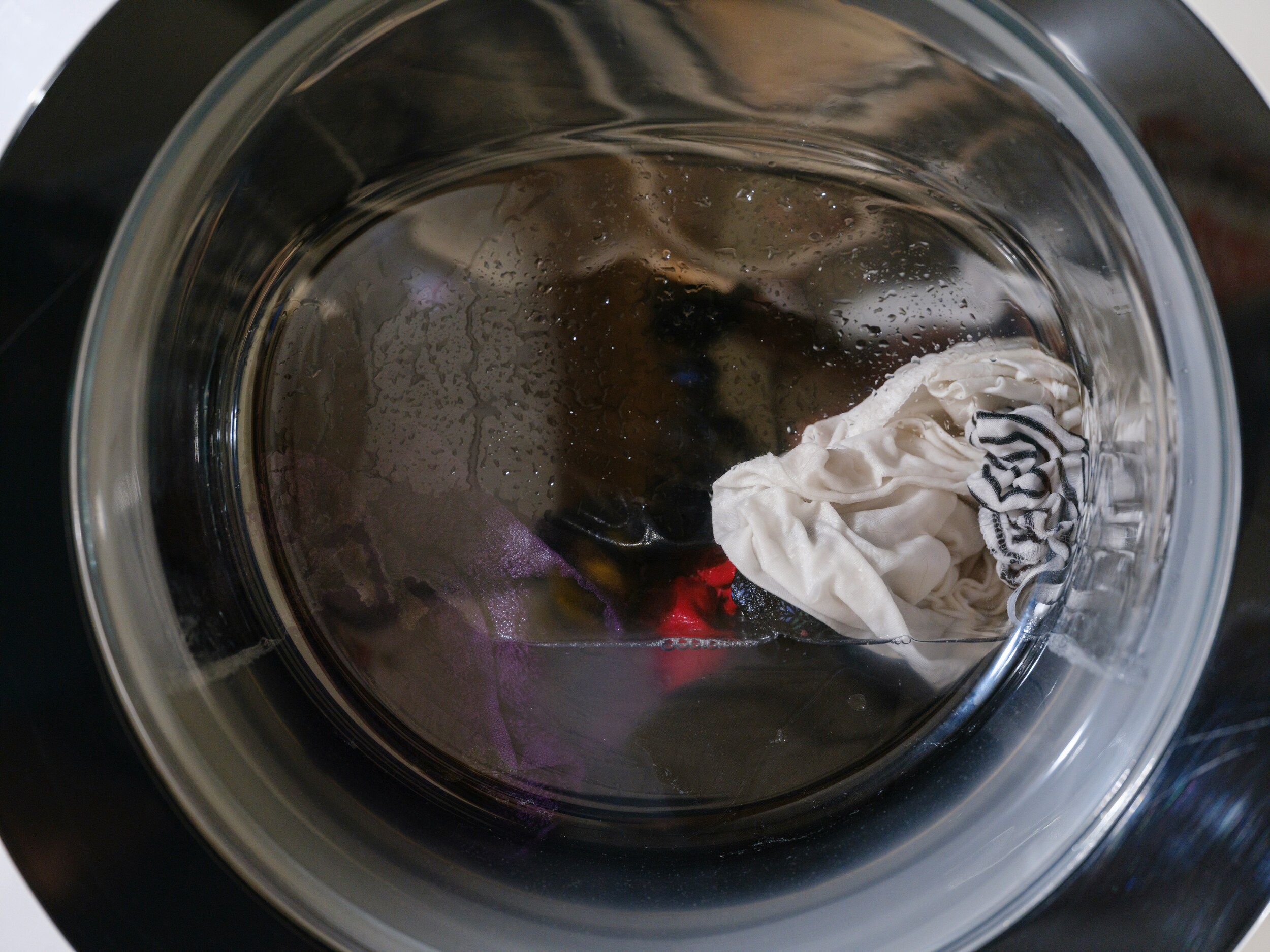
Choosing the right water temperature might seem simple, but it’s one of the biggest factors that affects how long clothes last. A cold wash can be incredibly gentle, while a hot wash can be surprisingly powerful. Each comes with its own pros, cons, and ideal uses, and this guide breaks them down so laundry decisions feel a lot less confusing.
But for those who prefer to skip the confusion altogether, a professional laundry service like Tumble Laundry can handle it with precision.
Laundry advice is often passed down from parents or grandparents, but not all of it is accurate. Before comparing cold and hot washes, it helps to clear up a few myths:
Myth: Hot water cleans better every time
• Not necessarily. Most laundry detergents nowadays are formulated to work well in cooler temperatures, especially liquid ones.
Myth: Cold water doesn’t remove stains
• Cold water can actually prevent stains like blood, sweat, and dairy from setting. In many cases, it’s the safer first step.
Myth: Hot wash kills all bacteria instantly
• Hot water helps, but unless the water reaches at least 60°C, it won’t sanitise as effectively as people think.
Cold water (20–30°C) is the default choice for most people, and for good reason. It’s gentle to fabrics that need extra care and even more eco-friendly as it uses less electricity.
Because cold water minimises friction and prevents fibres from swelling, it helps clothes maintain their shape and softness. It also slows down fading, reduces pilling, and keeps colors vibrant, making it a great choice for preserving the look and feel of everyday pieces. This matters even more for garments with sensitive fibres, dyes, or finishes that don’t react well to heat.
However, cold washes have their limits. They’re not ideal for items that need deep sanitisation or for removing heavy, oily stains. In those cases, warm or hot water may work better.
A cold wash works best for:
• Everyday clothes like t-shirts, blouses, shorts, and loungewear
• Delicate fabrics such as silk, cashmere, wool, satin, and lingerie
• Stretchy or elastic garments like activewear, leggings, and yoga wear
• Dark or bright colours that bleed or fade under heat
• Clothes with embellishments including lace, embroidery, beads, or printed designs
• Items with protein-based stains like blood, sweat, milk, or eggs as heat will set these stains
If the goal is simply to freshen up lightly worn pieces without stressing the fabric, a cold wash is more than enough.
Hot water (typically 50–60°C or higher) has its place, though not for everything. It’s incredibly useful when hygiene matters or when dealing with heavy dirt.
Hot water lifts oils, dissolves heavy grime, and helps kill bacteria more effectively than cold water, especially when paired with a strong detergent.
However, hot wash comes with some warnings:
• It can shrink cotton easily. If this happens, read our guide on How to Unshrink Clothes
• It can fade colours faster
• It can weaken delicate fibres
• It may cause prints or elastics to warp
A hot wash works best for:
• Towels and bedding like sheets, pillowcases, bath towels, and other household linens that accumulate sweat and bacteria
• Socks and undergarments that are exposed to sweat and odour
• Kitchen cloths and cleaning rags
• Uniforms or sports gear that are heavily soiled
• Baby items like baby bedding, cloth diapers, or reusable wipes that require deeper cleaning
• White clothing, if the fabric allows, as heat prevents yellowing especially on collars, cuffs, and underarms
Before choosing a hot wash, it’s important to check the care label as many modern garments aren’t designed to withstand high temperatures.
With so much advice floating around, choosing can feel confusing. Here’s an easy way to decide:
If the garment is worn daily, made of delicate fabric, brightly coloured, or labeled for low-heat care, cold is the safer bet. It protects the shape, color, and overall feel of the fabric.
If the item comes into contact with sweat, germs, grease, or anything that needs deeper cleaning, a hot wash is worth trying, but make sure the label allows it.
Warm water (around 40°C) can be a middle-ground solution, offering better cleaning than cold but less harshness than hot. For mixed loads that aren’t heavily soiled, warm water often works well, but cold water is still the gentler choice.
No matter how good the general guidelines are, the care label is the best source of truth. It tells the exact temperature the fabric can handle, whether it should be washed gently, and if heat might cause shrinking, fading, or damage.
If the label specifies “cold wash only” or includes a temperature like 30°C or 40°C, follow that instruction, even if the item looks sturdy. Labels are designed based on fibre composition and dye behavior, so they’re the safest way to avoid accidental damage.
Read also: The Complete Guide to Laundry Symbols & Care Labels
Not everyone has time to sort laundry by temperature or second-guess care labels, especially when juggling work, kids, or busy schedules.
That’s where Tumble comes in. Our team understands fabric care inside out and chooses the right wash settings for every item, whether it needs a gentle cold cycle or a thorough hot wash. No guessing, no shrinkage surprises, and no faded favourites.
Cold water keeps clothes looking newer for longer, while hot water helps when hygiene and tough messes call for extra power. The key is knowing what each fabric needs and reading the label before turning on the machine.
And for anyone who would rather skip the decision-making altogether, Tumble Laundry is ready to step in.
Book a laundry service at Tumble today and make laundry simple, safe, and stress-free.

We make laundry days fast and easy for you. We collect, clean and deliver your laundry and dry-cleaning.
53 Ubi Ave 1 #03-43, Singapore 408934
Mon - Fri | 8:30 am–5:30 pm
Sat | 8:30 am–12:30 pm
hello@tumble.sg
+65 62554222
Whatsapp Us


